Timing vs. Opportunity:
The Cost of Waiting for Lower Rates
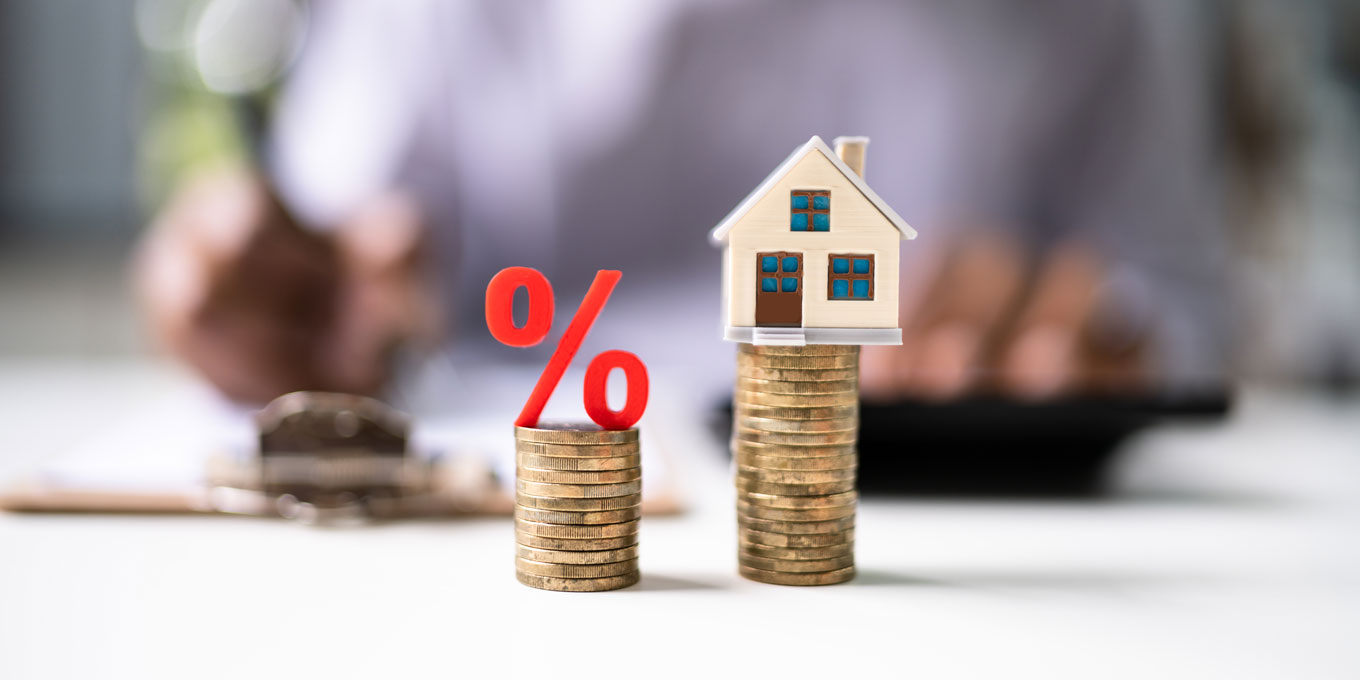
The temptation of low-interest rates is compelling. With reduced rates, the monthly payments on a mortgage become more manageable, making the dream of owning a home seem closer to reality. Nevertheless, in the quest for the lowest interest rate, numerous potential buyers fall into the trap of postponing their home-buying plans. This delay, often rooted in the belief that rates will continue to fall, can lead to unexpected outcomes.
The Unpredictability of Interest Rates
Forecasting the trajectory of interest rates is challenging, even for expert economists. Although interest rates have shown variability historically, predicting a consistent trend for the future is not assured. Waiting for a decrease in rates might result in missed chances to purchase a home at an attractive price.
Home Prices and Interest Rate Dynamics
There is often an inverse correlation between interest rates and home prices. Low-interest rates usually lead to increased home prices as more individuals find homeownership within reach. On the flip side, higher interest rates tend to stabilize or reduce home prices. Therefore, holding off for lower rates might lead to higher property prices later.
The Cost of Hesitation
Delaying your home purchase can mean missing out on building equity in your property. Equity, the value difference between your home's market price and the remaining mortgage balance, grows as you repay your loan. This equity becomes a vital asset for future financial plans, such as funding retirement or education.
Assessing Financial Readiness
Beyond interest rates, evaluating your overall financial health before buying a home is vital. Ensure you have a stable income, a strong credit score, and adequate savings for a down payment and other expenses.
Making a Thoughtful Choice
Deciding to purchase a home is deeply personal and should reflect your unique situation and aspirations. While interest rates are important, they shouldn't be the only factor in your decision. Seek advice from financial advisors, real estate agents, and mortgage professionals to gauge your readiness for homeownership and make a choice that supports your long-term financial health.