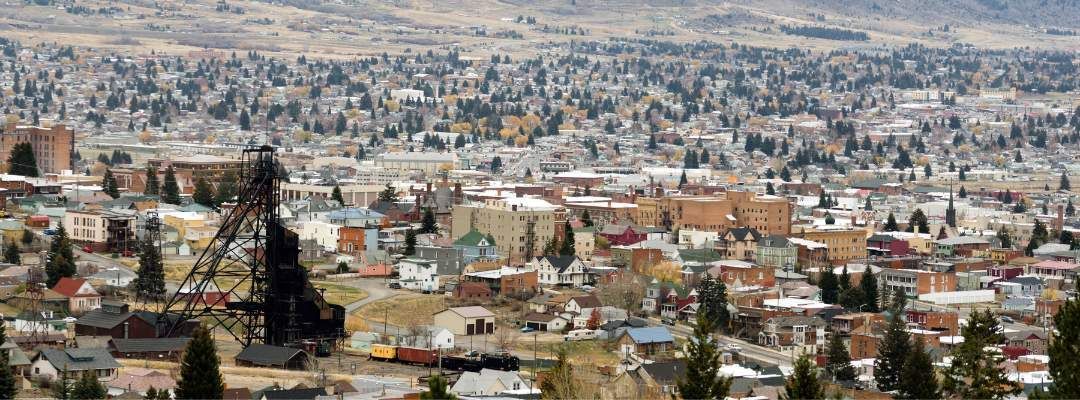
Butte, Montana: 7 Fascinating Facts
Butte's Underground Tunnels, Rich History, and Cultural Diversity
Nestled in the heart of Montana, Butte is a city brimming with rich history and quirky charm. Known for its deep roots in the mining industry, this fascinating town has grown into a melting pot of cultures and stories. From its underground tunnels to its legendary residents, Butte offers a unique glimpse into the past while embracing the present vibrancy. Whether you're a history buff or just curious about the hidden gems of this Montana treasure, Butte has something intriguing for everyone.
The Meaning of 'Butte' - The town of Butte, Montana, was named after Big Butte, a nearby conical peak locally called "the richest hill on earth." Laid out in 1886 and founded in 1879, the name 'Butte' comes from North American French, meaning "low hill" or "mound," and in Old French, it means "landmark" or "target."
Underground Tunnels - Butte boasts over 10 miles of underground tunnels and basements used historically for transportation and storage. These tunnels, once used by miners and during Prohibition for secret bars, add a layer of mystery to the city's rich history. Some sections are now accessible through guided tours.
The Melting Pot Mixer Nickname - Butte is known as "The Melting Pot" due to its diverse population of immigrants who arrived during the mining boom. At one point, the city had a population of over 100,000. The diversity was so pronounced that "No Smoking" signs in Uptown had to be written in 16 different languages. A quarter of all immigrants that came to Butte originated from Ireland, creating a vibrant, multicultural community that still influences the city today.
Evel Knievel: Born, Lived, and Buried in Butte - Evel Knievel, the legendary stunt performer, was born in Butte in 1938. He grew up, achieved fame, and was eventually buried in his hometown. Knievel's legacy is celebrated annually with Evel Knievel Days, a festival honoring his life and stunts.
The Butte-Anaconda Historic District - The Butte-Anaconda Historic District is one of the largest National Historic Landmark Districts in the U.S., covering over 700 acres and encompassing 5,900 properties. The district's Victorian-era buildings and historic sites offer a glimpse into Butte's prosperous mining past, and guided tours are available for visitors.
Pekin Noodle Parlor: Butte is also home to the Pekin Noodle Parlor, the world’s oldest continually operating Chinese restaurant, established in 1911. This iconic eatery has served the community for over a century, representing Butte’s rich cultural diversity.
TV Shows Filmed in Butte: Butte’s historic charm and unique architecture have made it a sought-after location for filming. The city has been featured in TV shows and movies such as Yellowstone and its spinoff 1923, as well as the movie Father Stu starring Mark Wahlberg.
Butte's unique character is woven from its diverse cultural heritage, storied past, and vibrant community spirit. Whether exploring the historic tunnels beneath the city, delving into the multicultural tapestry that once required "No Smoking" signs in 16 languages, or celebrating the legacy of Evel Knievel, Butte offers endless opportunities for discovery. As you stroll through its historic district and take in the architectural marvels, you'll find that Butte is not just a city with a past but a living testament to the resilience and diversity that continues to shape it today. Check out the Top 5 Things to do in Butte!